Agentic AI
Beyond the hype: How autonomous AI agents are stepping in to orchestrate complex operations across fashion retail.
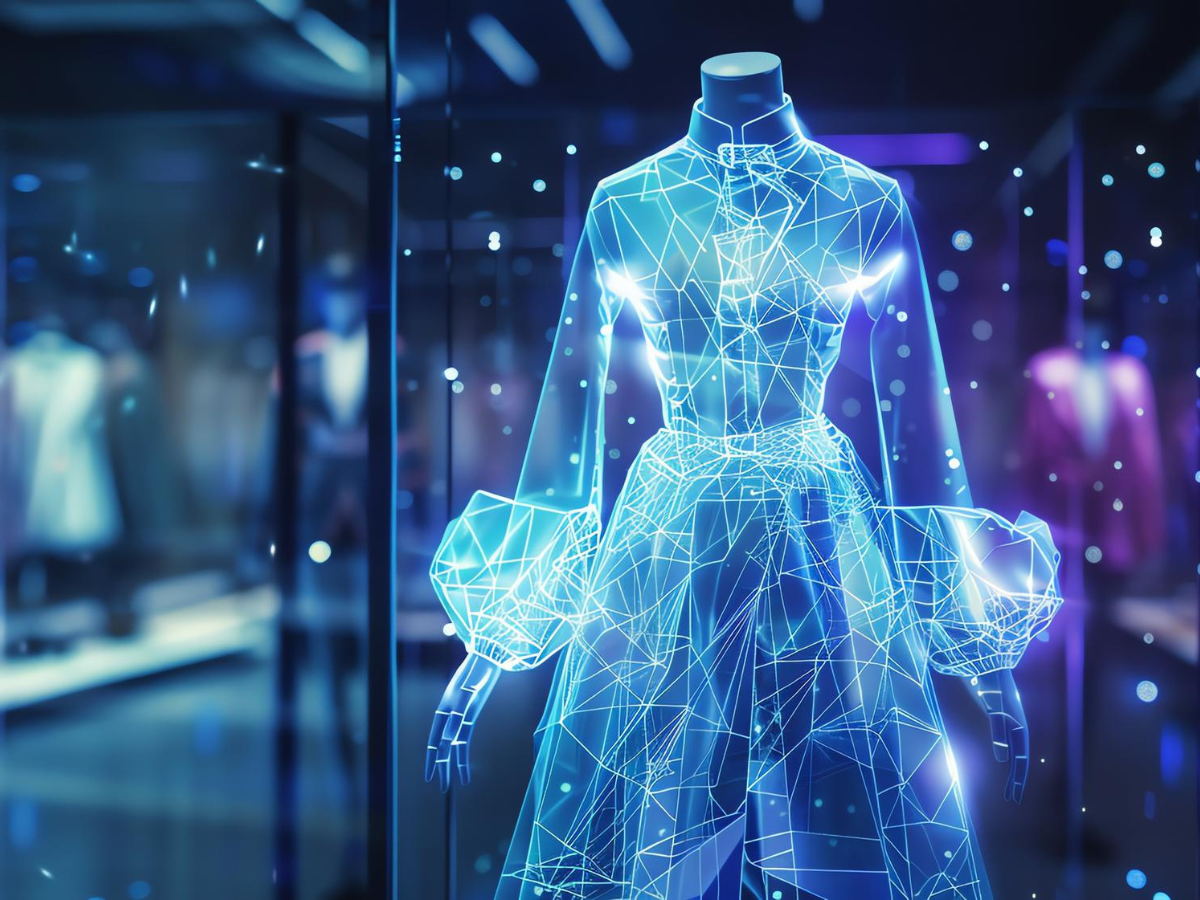
From Data to Decisions: the strategic value of Ai Agents in Fashion
The fashion industry is entering a new era of Artificial Intelligence. While generative AI captured headlines by revolutionizing content creation, the real operational transformation is being driven by analytical and Agentic AI advanced systems capable of making decisions, planning, and executing structured processes autonomously. Deeply integrated with data-driven and cloud-native architectures, this technology offers fashion companies the opportunity to rethink not only their consumer relationships but their entire supply chain, delivering a measurable competitive edge in a market defined by the pursuit of efficiency and hyper-personalization.

From data to Agentic AI
As highlighted in recent industry reports, the mandatory starting point for any real AI transformation is data governance. The lack of high-quality data and the inability to integrate it seamlessly across the value chain often hinder the adoption of advanced analytics. Before developing autonomous AI agents, companies must free their processes from rigid, monolithic systems, building an operating model based on clear data domains , such as sales, inventory, and transactions, and a modern, cloud-based data architecture.
Once this structural hurdle is cleared, AI evolves from providing simple insights to orchestrating complete workflows. AI agents do not just react to prompts, they can perceive context, define objectives, plan necessary actions, and execute them by interacting directly with other enterprise software.
Hyper-personalization and Customer Experience
On the front end, AI plays a crucial role in boosting digital sales and brand loyalty. Fashion companies that have successfully integrated data and AI to personalize their e-commerce experiences have seen digital sales grow by 30% to 50%. AI agents are elevating the concept of conversational commerce. Rather than simply generating mechanical responses, they offer guided purchasing journeys by retaining context memory, recommending items based on visual preferences, seamlessly facilitating returns, and maintaining a natural dialogue that directly impacts conversion rates.
In physical stores, this intelligence supports sales staff through advanced clienteling. By providing precise, real-time information and targeted suggestions, such as cross-referencing a customer’s past purchases with current store inventory, sales assistants can focus entirely on building a human connection, delivering the bespoke, high-touch service today’s luxury shoppers expect.
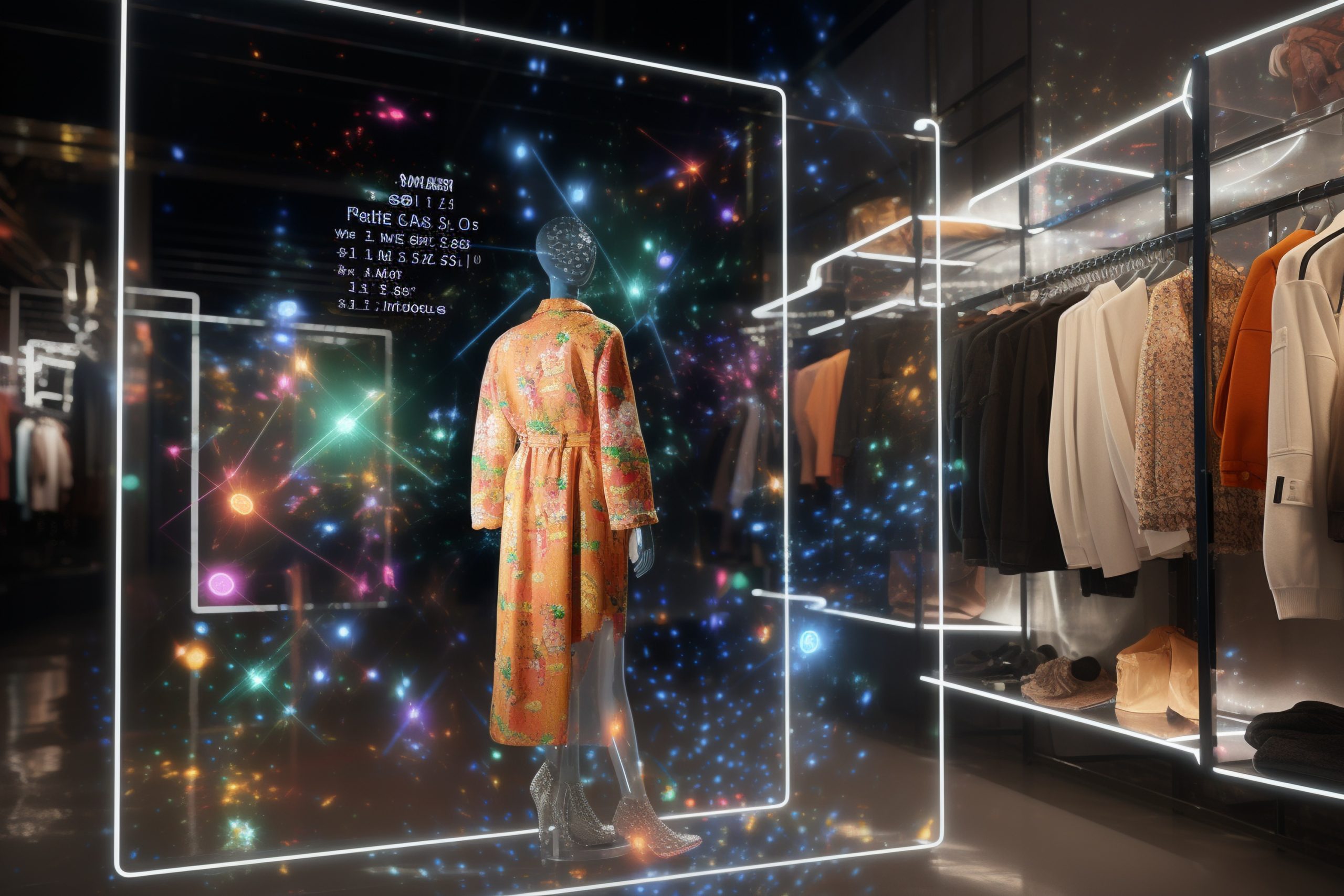

A new standard for Fashion operations
The transition toward agentic AI and advanced predictive models marks a pivotal maturity point for the fashion industry. It represents a fundamental shift from simply experimenting with new technologies to autonomously orchestrating complex business operations. In an era defined by economic volatility and rapidly shifting consumer expectations, relying on historical intuition is no longer sufficient. By embedding these intelligent systems into their core workflows, from dynamic inventory allocation to hyper-personalized customer journeys, fashion brands can build the resilience required to protect their margins and eliminate waste.
Ultimately, the future of retail belongs to companies that treat their data not just as a reporting tool, but as an active, strategic asset that drives continuous value creation.
Frequently Asked Questions
While Generative AI is primarily used to create content (like generating images, copy, or design concepts), Agentic AI acts as an autonomous system capable of making decisions and executing workflows. Instead of just answering prompts, AI agents perceive business context, set objectives, and interact directly with other enterprise software to orchestrate operations, from dynamic inventory allocation to personalized customer journeys.
Agentic AI relies on accurate, real-time information to make autonomous decisions. If a fashion company’s data is siloed in rigid, monolithic systems, AI agents cannot function effectively. To unlock the true value of AI, brands must first transition to a modern, cloud-based architecture and organize their data into clear domains (such as sales, inventory, and transactions).
Online, AI agents elevate conversational commerce by retaining context memory, offering visual recommendations, and facilitating returns, which has been shown to boost digital sales by 30% to 50%. In physical stores, they support sales staff through advanced clienteling. By automatically cross-referencing a shopper’s past purchases with real-time store inventory, agents allow sales assistants to focus entirely on delivering a high-touch, human connection.
Yes. Relying solely on historical intuition is no longer sufficient in a volatile market. AI agents monitor real-time signals, such as weather changes, social media trends, and shifting demand, to adjust inventory proactively. This dynamic allocation helps fashion brands prevent costly stock-outs in high-performing stores while drastically reducing overproduction and excess inventory.
No, Agentic AI is designed to augment human capabilities, not replace them. By autonomously handling repetitive tasks and complex data orchestration, like updating store layouts based on foot traffic or rerouting supply chain shipments, these systems free up human teams. This allows retail staff and managers to focus on strategic decision-making, creative direction, and building stronger relationships with customers.